
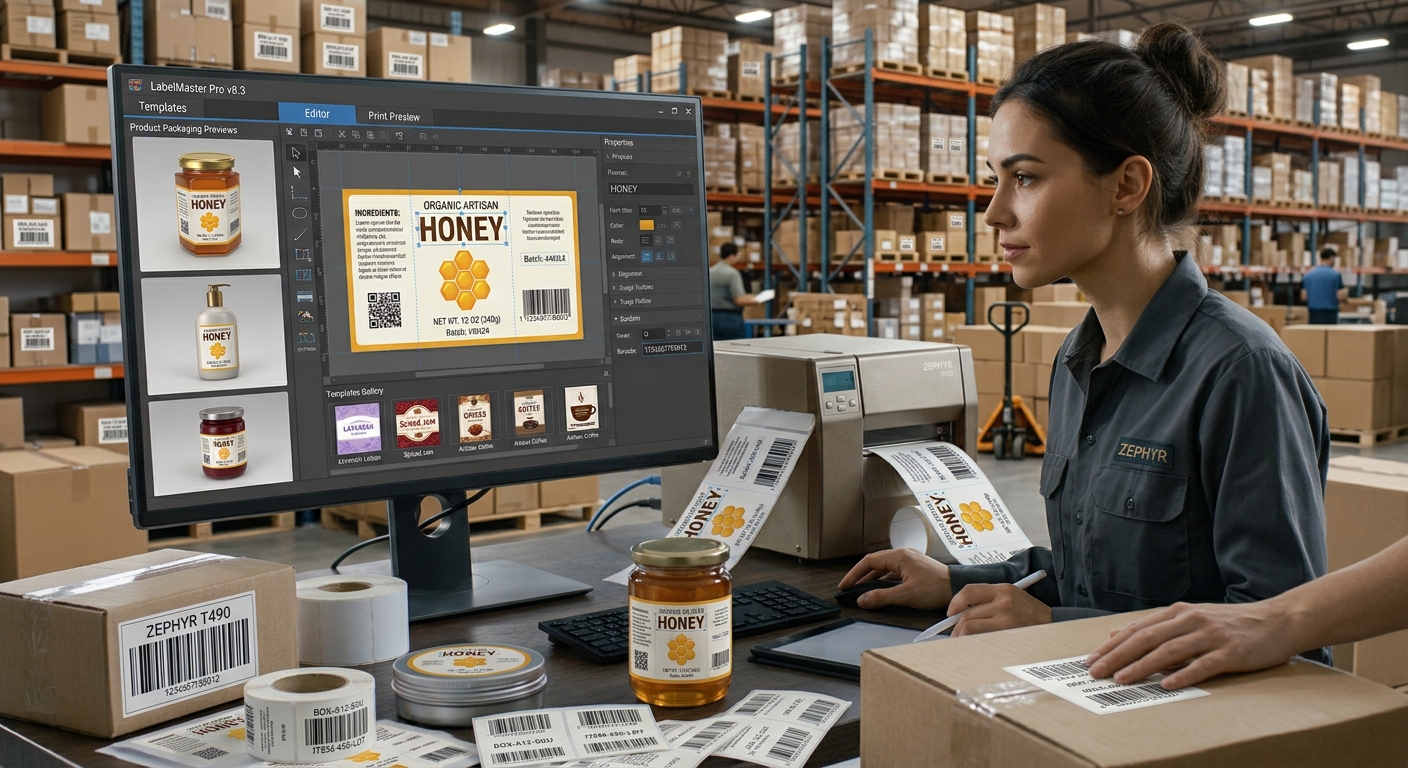
Product labels help customers understand what they are buying while allowing retailers to organize inventory and manage sales more efficiently. A well-designed label provides essential information in a clear, readable format without overwhelming the customer. Whether you sell clothing, packaged foods, cosmetics, electronics, or household goods, knowing what belongs on each label can improve product presentation and reduce confusion. Resources from union-barcode.com can help businesses explore labeling tools and develop a more organized approach to creating and printing product labels.
The information required on a label depends on the product category, intended market, and applicable regulations. However, several common elements are worth reviewing before a product reaches the shelf. The following checklist provides a practical starting point for retailers looking to maintain accurate, professional labels.
1. Product Name and Description
The product name should be easy to identify at a glance. Customers should not have to guess what an item is or which variation they are considering.
Include a short description when it helps distinguish similar products. For example, a clothing label might identify the garment type, color, and size, while a household product label may describe its main purpose.
Keep descriptions concise and avoid unnecessary wording. The goal is to provide useful information without making the label crowded. If your business sells multiple variations of the same product, use a consistent naming format to make comparisons easier.
2. Price and Product Identification
For many retail products, the selling price is one of the most important details. Make sure prices are accurate, easy to read, and consistent with the information used at checkout.
Depending on the business and market, labels may also include a stock keeping unit (SKU), item number, or other internal identifier. These details help employees distinguish products, locate inventory records, and manage replenishment.
When prices change, establish a process for updating labels and removing outdated versions. Regular checks can prevent discrepancies between shelf labels, product packaging, and checkout systems.
3. Barcode or QR Code
Barcodes help retailers identify products during checkout and inventory operations. If your business uses barcode scanning, ensure that the correct barcode format is selected and that the encoded value matches the intended product identifier.
The barcode should be printed clearly, with adequate contrast and sufficient blank space around it. Avoid placing decorative elements too close to the symbol, as they may affect scanning.
QR codes may also be useful when customers need access to additional information, such as product instructions or digital guides. If you include one, test it before printing and confirm that it directs users to the correct destination.
Remember that a barcode does not replace mandatory product information. It supports identification and data retrieval, while the label itself may need to display other details.
4. Manufacturer and Business Information
Depending on the product and applicable rules, a label may need to identify the manufacturer, importer, distributor, or responsible business. Including appropriate business information can also help customers understand where a product comes from and whom to contact with questions.
The exact requirements vary by product category and destination market. Retailers should verify applicable labeling regulations rather than assuming the same rules apply to every item.
For products with safety considerations, make sure any required warnings or handling instructions are presented clearly and accurately.
5. Ingredients, Materials, and Product Specifications
Some products require additional information beyond a name and price. Food packaging may need ingredient lists, allergen declarations, net quantity, and other regulated details. Cosmetics may require ingredient information, while clothing labels often include fiber composition and care instructions.
Electronics and other technical products may need model numbers, ratings, compatibility details, or safety information.
Because these requirements vary, check the rules that apply to each product category. Use readable text and organize longer information into logical sections without omitting required details.
6. Batch Numbers, Dates, and Traceability
Batch numbers, lot identifiers, manufacturing dates, and expiration or best-before dates can be important for certain products. These details support stock rotation, traceability, and quality control.
For products with limited shelf life, ensure that dates are accurate and easy to locate. Businesses should also establish procedures for checking older inventory and removing products that are no longer suitable for sale.
Not every product requires every field, so include the information relevant to your inventory and regulatory obligations.
7. Review the Label Before Printing
Before approving a label, check spelling, prices, identifiers, dimensions, and readability. Confirm that barcodes scan correctly and that the layout fits the intended label material.
Printing a sample is a practical way to catch alignment problems before producing a large batch. Reusable templates can also help maintain consistent branding across product categories.
Conclusion
A good product label balances clear communication, accurate identification, and regulatory compliance. By reviewing product details, pricing, barcodes, business information, required specifications, and traceability data, retailers can reduce errors and present products more professionally. A simple checklist and careful printing process help keep labels accurate, consistent, and useful for both customers and employees.
#ProductLabels #Retail #Packaging