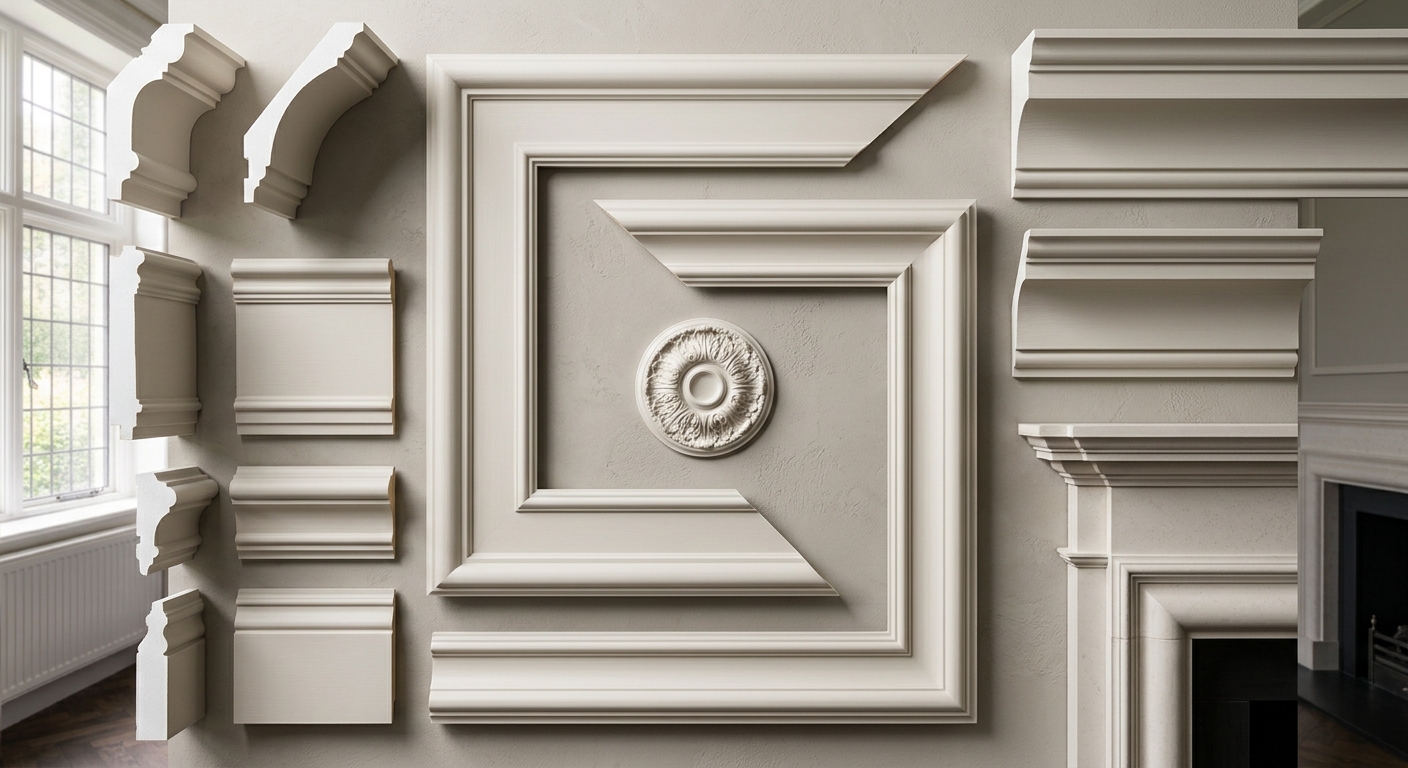
Creating an elegant interior involves more than choosing attractive furniture and paint colors. The way walls are designed also plays an important role in shaping the atmosphere of a room. panel molding offers a timeless solution for adding structure, depth, and visual interest to plain walls. With carefully planned layouts and suitable decorative profiles, homeowners can transform ordinary surfaces into sophisticated architectural features that complement both classic and contemporary interiors.
One of the biggest advantages of panel molding is its versatility. It can be used to create rectangular wall frames, symmetrical patterns, decorative borders, and accent walls that bring a sense of order to a space. Whether the goal is to achieve a traditional appearance or a clean, modern finish, the right molding design can make a room feel more refined without requiring major renovations.
Create Balance with Symmetrical Wall Panels
Symmetry is an effective way to create a balanced and organized interior. Dividing a wall into evenly spaced rectangular panels establishes a consistent visual rhythm and makes the overall design appear intentional. This approach works particularly well in living rooms, dining areas, bedrooms, and formal entrance halls.
For a traditional look, choose panels with decorative details and slightly wider borders. In modern spaces, narrow profiles and simple rectangular shapes can provide a cleaner appearance. Maintaining equal spacing between panels is essential, as inconsistent measurements may make the wall feel crowded or poorly planned.
Panel arrangements should also reflect the proportions of the room. Large walls can accommodate wider frames or several panels in a row, while smaller spaces often benefit from simpler layouts with fewer decorative elements.
Use Wall Molding to Highlight Focal Points
Decorative wall frames can draw attention to important areas within a room. For example, a paneled wall behind a sofa can become an attractive focal point in a living room. In a bedroom, molding positioned around the headboard area can create a more finished and coordinated appearance.
The same technique can enhance dining rooms by emphasizing the main wall behind a table or adding visual interest to an otherwise understated space. In hallways, repeated panel patterns can create a welcoming impression and help long walls feel more thoughtfully designed.
When selecting a focal wall, consider the placement of furniture, lighting fixtures, artwork, and mirrors. These elements should work together with the molding rather than compete for attention.
Choose the Right Molding Profile
The shape, width, and finish of a molding profile influence the character of the finished wall. Simple profiles with smooth edges are suitable for minimalist interiors, while more detailed designs can complement traditional or luxurious decorative schemes.
Polyurethane and other lightweight decorative molding options can be useful for projects where ease of installation and intricate detailing are important considerations. Before choosing a profile, review its dimensions and appearance to ensure it fits the scale of the room.
Color is another important factor. Painting the molding the same color as the wall creates a subtle, integrated effect that emphasizes texture and shadow. Using contrasting colors makes the panel outlines more noticeable and can produce a stronger decorative statement. Both approaches can work well when coordinated with the room's furniture, flooring, and overall color palette.
Combine Panel Molding with Modern Interior Design
Although wall panels are often associated with traditional architecture, they can also complement modern interiors. Minimalist panel arrangements, neutral shades, and clean geometric lines help create a contemporary aesthetic without making the room feel overly decorated.
For example, soft white molding against a warm beige wall can introduce understated elegance. Darker walls paired with matching molding can create a dramatic atmosphere, while light gray or cream finishes offer a calm and sophisticated appearance.
Layering lighting into the design can further enhance the result. Wall sconces placed between panels or above decorative frames can emphasize their shapes and create interesting shadows throughout the evening.
Plan the Layout Before Installation
Successful panel molding design begins with accurate measurements and careful preparation. Measure the full wall, mark the intended panel positions, and account for doors, windows, electrical outlets, and existing architectural features. Using painter's tape to outline the proposed frames can help visualize the arrangement before installation begins.
It is also important to prepare the wall surface properly and follow the manufacturer's recommendations for adhesive, fastening, finishing, and painting. Consistent spacing and clean corners contribute significantly to a professional result.
Final Thoughts
Panel molding is a practical and stylish way to introduce architectural character into almost any interior. From symmetrical wall frames to contemporary accent walls, it provides opportunities to improve visual balance, emphasize focal points, and create a more polished atmosphere. By selecting suitable profiles, coordinating colors, and planning the layout carefully, homeowners can achieve an elegant wall design that feels cohesive, timeless, and appropriate for their space.
#DecorativeMolding #WallTrim #ClassicInteriors